A video shows someone that a dish is possible. A recipe card tells them exactly how. The best cards are short, precise and written for someone with wet hands and a hot pan.
Here's what goes into one, in the order readers need it, and a template you can copy.
1. A title that says what it is
Say what it is, and what makes it different, in plain words.
- ✅ 15-minute garlic butter pasta
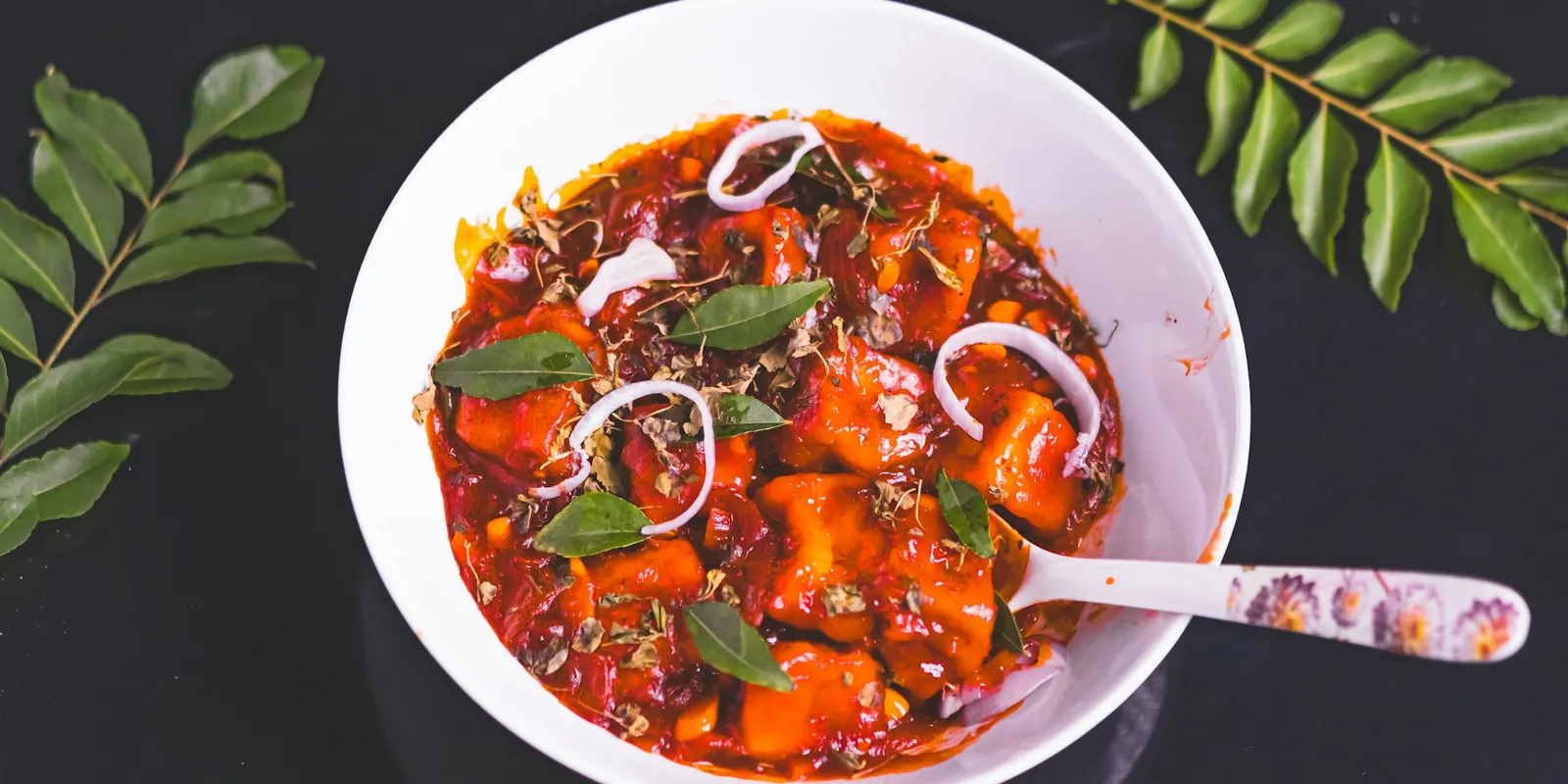
- ✅ Crispy chilli paneer (air fryer)
- ❌ My absolute FAVOURITE pasta ever!!!
Put the useful detail in the title: the time, the method, or the diet.
2. One sentence on why it's worth making
"Restaurant-style chilli paneer: crisp cubes in a sticky, spicy, tangy sauce." That's all. Skip the life story; readers came for the recipe.
3. The numbers that decide "tonight or not"
- Servings
- Prep time and cook time
- Difficulty, if it's not obvious
People decide whether to cook something in about five seconds, based on these.
4. Ingredients: precise, grouped, in order of use
This is where most video-to-text recipes fall apart. Rules:
- List in the order you use them.
- Use real quantities with units:
200 g spaghetti, not "a handful of pasta". - Put the preparation after the ingredient:
3 cloves garlic, minced. - Group long lists: "For the sauce", "For the batter".
- Mark what's optional:
chilli flakes (optional). - Give both systems if you can, or use a card that converts US ⇄ metric automatically.
On Nook, ingredients written like this are understood automatically, so they scale when readers change the servings and convert between cups and grams.
5. Steps: one action each, with the cue to move on
Good steps are short and tell the cook how to know it's done:
- ❌ Cook the onions.
- ✅ Cook the onions over medium heat until soft and golden, 8–10 minutes.
Tips:
- One main action per step.
- Put times in the step. On Nook, end a step with the time in brackets, like
(10 min), and it becomes a tap-to-start timer. - Give sensory cues: "until it smells nutty", "until the oil separates".
- Bold the easy-to-miss parts: "reserve 1 cup pasta water".
6. Tips, swaps and storage
The questions your comments always ask belong here:
- Can I make it without an oven?
- What can I use instead of paneer?
- How long does it keep in the fridge?
7. Credit and links
- Link back to the video, so people can watch the technique and you get the view.
- Link the tools and ingredients you mention, with clear affiliate labels if you earn from them (see our affiliate guide).
Copy this template
TITLE: [Dish] ([key detail: time / method / diet])
WHY: [One sentence on what makes it good]

Serves [n] · Prep [x] min · Cook [y] min

INGREDIENTS
For the [part]:
- [qty] [unit] [ingredient], [prep]
- ...

STEPS
1. [Action] until [cue], [time].
2. ...

TIPS
- Swap: [ingredient] → [alternative]
- Storage: [how long, where]

VIDEO: [link]
Or skip the formatting
Nook's editor is built around this structure. Paste your ingredients one per line and they're understood, add (10 min) to a step to give it a timer, and you get a link and QR code to share in your video, free.